Welcome to

Hope this Werks

Fresh milled. Real Food. Pure energy.

Easy SOURDOUGH Cinnamon Rolls (fresh milled or store flour)

Updated: May 20, 2026

So here’s the story. I had just finished my last cinnamon roll recipe post  … the yeast version was live, warm, and doing its thing out in the world. Then, almost immediately, a subscriber showed up in my inbox, “But… do you have sourdough cinnamon rolls?”

And honestly, that was it. That was the moment the entire content calendar politely stepped aside.

Because, of course, I thought, why not keep the cinnamon roll momentum going? So instead of moving on to the next planned recipe, I pivoted straight into my sourdough cinnamon rolls recipe. And truly, I can never get bored with this topic anyway. There’s something about soft dough, cinnamon sugar, and frosting decisions that just keeps pulling me back in. (So … thank you for the comment, friend!)

Meanwhile, my husband perked up, thinking that I would need a test-taster again … and suddenly became extremely interested in my work. Funny how that works.

So now here we are again … another batch, another round of testing, and honestly, no complaints from anyone involved.  (Click here if you want to check out the recipe made with yeast.)

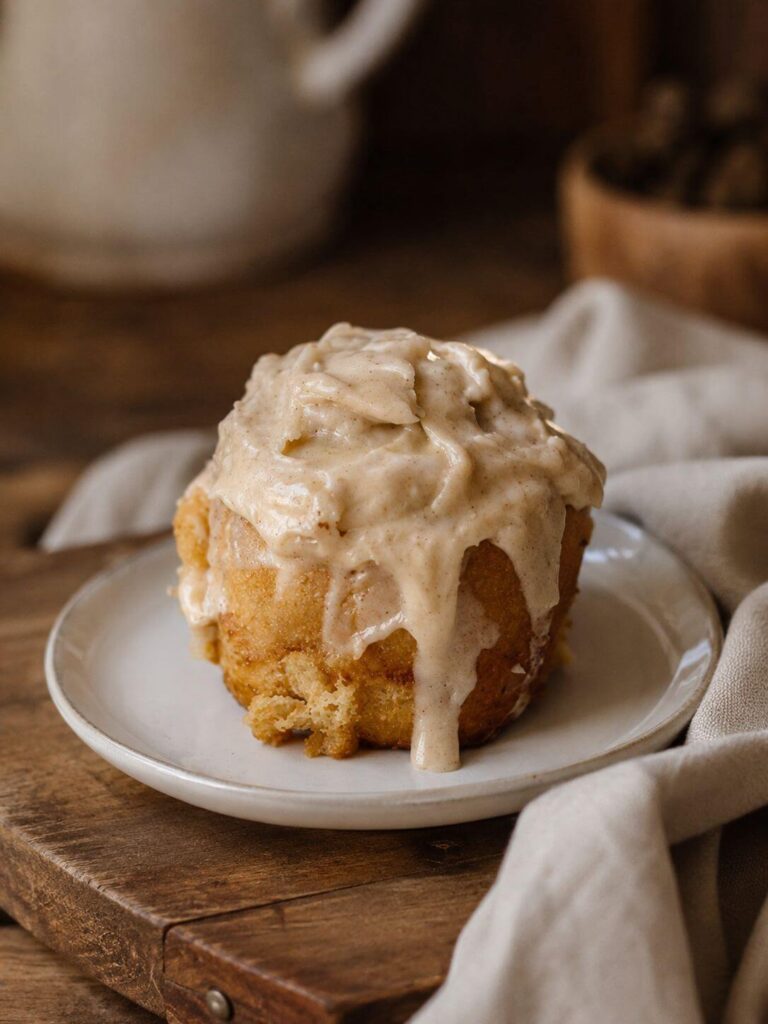
Sourdough Cinnamon Rolls on a white plate sitting on a wooden cutting board

Why These Sourdough Cinnamon Rolls Deserve a Spot in Your Kitchen

Now, if you’ve ever made sourdough cinnamon rolls (with fresh milled flour or store-bought flour) before, you probably already know the risk. Sometimes they come out beautifully soft and fluffy … and other times they bake up like cinnamon-scented hockey pucks.

That’s exactly why I kept testing this recipe until it became one I could actually count on. These sourdough cinnamon rolls turn out:

  • Soft, fluffy, and beautifully pull-apart-able

  • Filled with buttery, gooey cinnamon layers

  • Rich in flavor thanks to the sourdough fermentation

  • Flexible enough to work with freshly milled flour or regular flour

  • Reliable enough that you’re not nervously staring at your dough every 12 minutes, wondering if it’s alive

And honestly, one of my favorite things about sourdough cinnamon rolls is the flavor. The sourdough adds this deeper, slightly richer taste that makes them feel extra … while still keeping that cozy, homemade cinnamon roll personality we all want.

Now let’s discuss frosting, because this is where families start forming strong opinions. The classic option is cream cheese frosting, which is rich, tangy, and absolutely delicious melted over warm rolls. That recipe is included below because cinnamon rolls and cream cheese frosting are basically old friends at this point.

But in my kitchen? Buttercream frosting tends to disappear faster. It’s lighter, smoother, and lets the warm cinnamon-sugar flavor stay center stage instead of getting overshadowed by tanginess. So really, there’s no wrong choice here. And if you want my favorite buttercream frosting recipe, you can grab it right here.

Levain for Your Sourdough Cinnamon Rolls

Let’s start at the beginning, which happens to be the night before you do most of the work on your cinnamon rolls.  You are going to want to make your levain. 

What is a levain? It is a small portion of your main starter that you activate for peak rise.  It’s really just taking a bit of your mother starter and making it ready to cook the best cinnamon rolls you will ever eat.

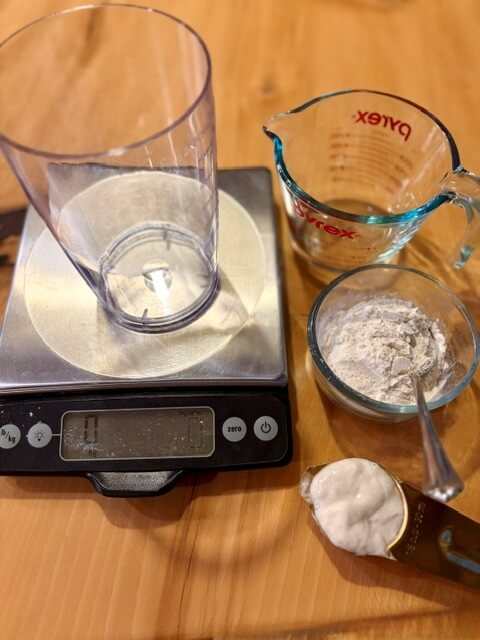
To make the levain, you need to mix:

  • ¼ cup (50g) sourdough starter 

  • ⅓ cup (100g) water

  • ¾ cup (100g) flour

Once you mix it all up, cover it loosely (you don’t want any pesky fruit flies taking a dive in your levain pool) … and let it hang out on the counter overnight.

Kitchen Scale with water, flour and sourdough starter on a counter

Add Good Stuff (Because Sourdough Deserves Friends)

Now that your sourdough starter is bubbly, active, and hopefully acting like a responsible adult today, it’s time to add the ingredients that make these sourdough cinnamon rolls soft, rich, and dangerously hard to stop eating.

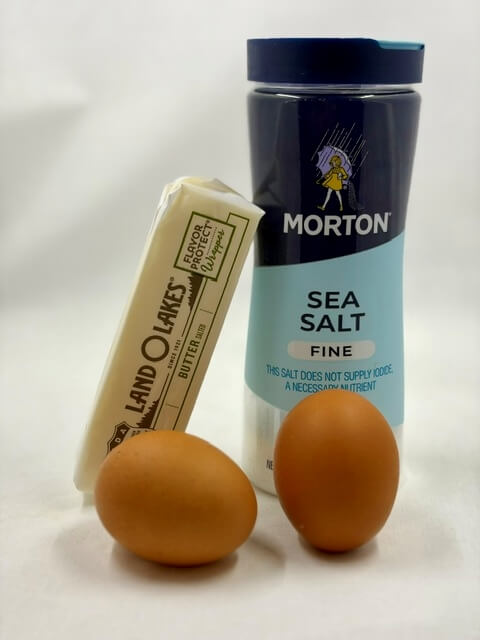
First: butter.

So grab ⅓ cup of butter and melt it until smooth and cozy-looking. 

Next, add 2 eggs.

Now technically, room temperature eggs work best here because they blend more smoothly into the dough and help everything stay soft and cohesive. Cold eggs can make the melted butter clump up a little, like it suddenly got emotionally overwhelmed.

But if you forgot to set your eggs out ahead of time (which feels extremely relatable), just place them in warm water for about 10–15 minutes. Problem solved. Tiny kitchen miracle. And yes, you can absolutely use cold eggs if needed. Your dough won’t file a formal complaint. It just may take a little longer to rise or end up slightly less fluffy. It’s not a dealbreaker … just something to keep in mind.

Finally, add in 1 teaspoon of salt and mix everything together until smooth and fully combined.

butter, eggs and salt on a white backdrop

Freshly Milled Flour

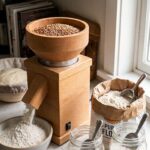
Alright, now we’re getting to the part that makes me irrationally happy: milling the flour. There is just something wildly satisfying about pouring little wheat berries into a grain mill and watching warm, fluffy flour come out the other side. It feels equal parts old-fashioned farmhouse and “look at me casually making flour from scratch like this is normal.”

And yes, technically, we are making cinnamon rolls here … not a salad. However, freshly milled flour does come packed with way more natural nutrients than regular store flour. In fact, 40 out of the 44 essential nutrients our body needs are in fresh milled flour (versus the 4 synthetic nutrients that are added back into store bread) … click here for more information

For this recipe, you’ll want about 3 cups (620g) of hard white wheat berries, plus a tiny extra scoop (25g) for the filling, so you don’t have to drag the mill back out later. Grind everything nice and fine until you’ve got soft, fresh flour.

Now, if you’re wondering why we use hard white wheat instead of soft wheat, einkorn, or another wheat berry … here’s the quick version: cinnamon rolls need strength. Hard wheat gives the dough enough structure to rise beautifully while still staying soft and fluffy. Softer wheats are amazing for things like muffins, cakes, and cookies … but cinnamon rolls are asking for a little more gluten-ous backbone. (Here’s more info if you want more deets.)

Once your flour is ready, add it slowly. And I mean sloooowly. Freshly milled flour acts differently from store-bought flour because it keeps absorbing liquid as it rests. At first, the dough may look wetter and stickier than you expect. That’s normal. That’s actually what we want.

This is the part where many people panic and dump in extra flour too early. Resist the urge. Because what starts as a soft dough usually turns into beautifully fluffy cinnamon rolls later. What starts as a dry dough usually turns into regret.

So trust the process, trust the wheat, and let the dough hydrate before deciding it needs more flour. Your future cinnamon rolls will thank you.

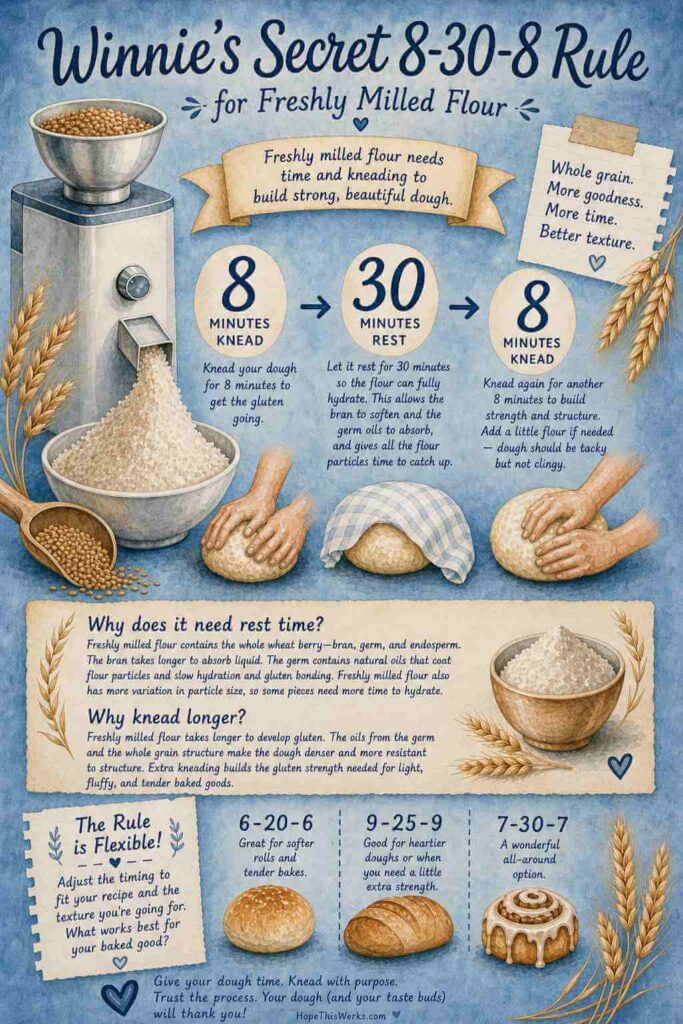
My 8-30-8 Secret Method (the Not-So-Secret Secret)

Now, this little method right here? This is one of my favorite tricks for working with freshly milled flour. It’s simple, ridiculously effective, and honestly makes the difference between “pretty good cinnamon rolls” and “why are these so fluffy and tall?” cinnamon rolls.

Here’s the rhythm:

Knead the dough for 8 minutes to get the gluten started. Then let it rest for 30 minutes so the freshly milled flour can fully hydrate and relax a bit. After that, come back and knead it again for another 8 minutes to build strength and structure.

That’s it. 8-30-8.

Freshly milled flour takes a little longer to absorb liquid than store-bought flour, so this rest period gives the dough time to catch up and become smoother, stretchier, and way easier to work with. Basically, the dough goes from “hot sticky mess” to “I have my life structured now.”

After that second knead, check the texture. If the dough still feels super sticky and is aggressively attaching itself to your fingers like a needy toddler … sprinkle in a tiny bit more flour. Just a little. You’re aiming for dough that feels soft and tacky, but not clingy.

Trust me here: slightly sticky dough makes soft cinnamon rolls. Dry dough makes tough ones.

Chart for Fresh Milled FLour - 8-30-8 Trick

A Tiny Mixer Survival PSA

Now, fair warning: these cinnamon rolls are not exactly a “quick little stir and call it a day” situation. There’s some real kneading involved here … particularly with freshly milled flour.

And if you’re using a stand mixer, this is where things can get a little dramatic.

I may or may not have sent a couple of KitchenAid mixers to their final resting place while learning how knead-heavy fresh milled recipes can be. Apparently, “knead until beautiful” and “manufacturer recommendations” are not always the same thing. My old mixers suggested speed 2 for only a few minutes, while my dough was over there asking for much more than that to be able to create beautiful gluten.

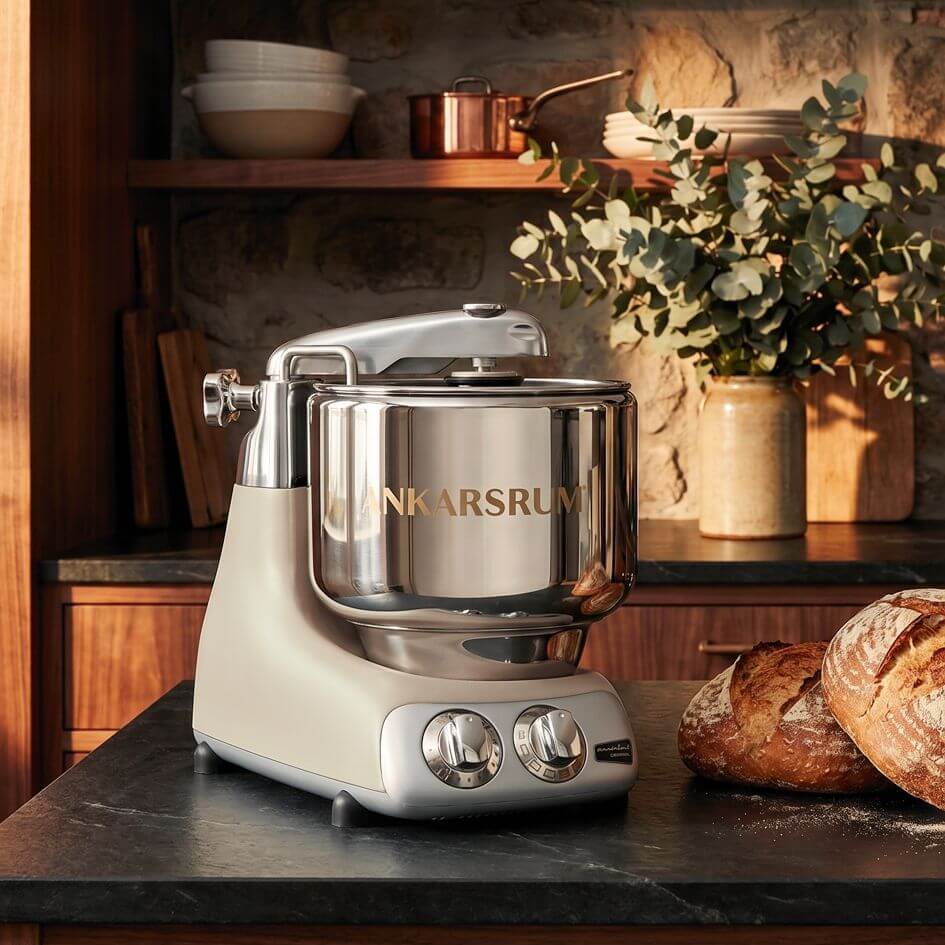
Eventually, I switched to an Ankarsrum mixer, and honestly? That thing handles bread dough like it was born for it. If you bake a lot of breads, sourdoughs, or fresh milled recipes … it’s definitely something worth looking into. (Here is my affiliate link that will get you free shipping on qualified purchases.)

But regardless of whether you’re using a fancy mixer, a basic mixer, or your own two hands and a little determination … the goal stays the same: smooth, stretchy dough that’s strong enough to rise beautifully and soft enough to bake into fluffy cinnamon roll perfection.

Store-Bought Flour (Yes, You’ve Got Options for Sourdough Cinnamon Rolls)

Now listen … I love freshly milled flour. Clearly. I talk about wheat berries like they’re celebrities at this point. BUT I also firmly believe cinnamon rolls should still happen even if you do not own a grain mill, forgot to order wheat berries, or simply do not feel like turning your kitchen into a tiny flour factory today.

So yes, this recipe works beautifully with store-bought flour too.

If you’re going that route, use about 4½ cups of bread flour for the best texture. Bread flour gives the dough a little extra strength and chew, which helps support all that buttery cinnamon filling without turning your rolls into floppy little pancakes.

Now, can you use all-purpose flour instead? Absolutely. Nobody is coming to confiscate your cinnamon rolls. They’ll still be soft and delicious. Bread flour just gives them a bit more structure and fluffiness.

And honestly, store-bought flour does have one major advantage: it’s less needy. Unlike freshly milled flour, it absorbs liquid quickly, so you can skip the whole “rest and hydrate” stage. No 8-30-8 method here. Just knead the dough until it becomes smooth, stretchy, and soft.

And if you’ve been curious about trying freshly milled flour someday, don’t worry … there’s a whole world waiting for you. Whether you want to learn about the nutritional benefits, figure out how to choose a grain mill, or just understand how it all works … I’ve got resources that walk you through it step by step.

Stretch-And-Folds for Your Sourdough Cinnamon Rolls

Alright friends, since you are using sourdough instead of yeast, you need to give that dough a little cheerleading encouragement session to get it to create wonderful gluten strands.

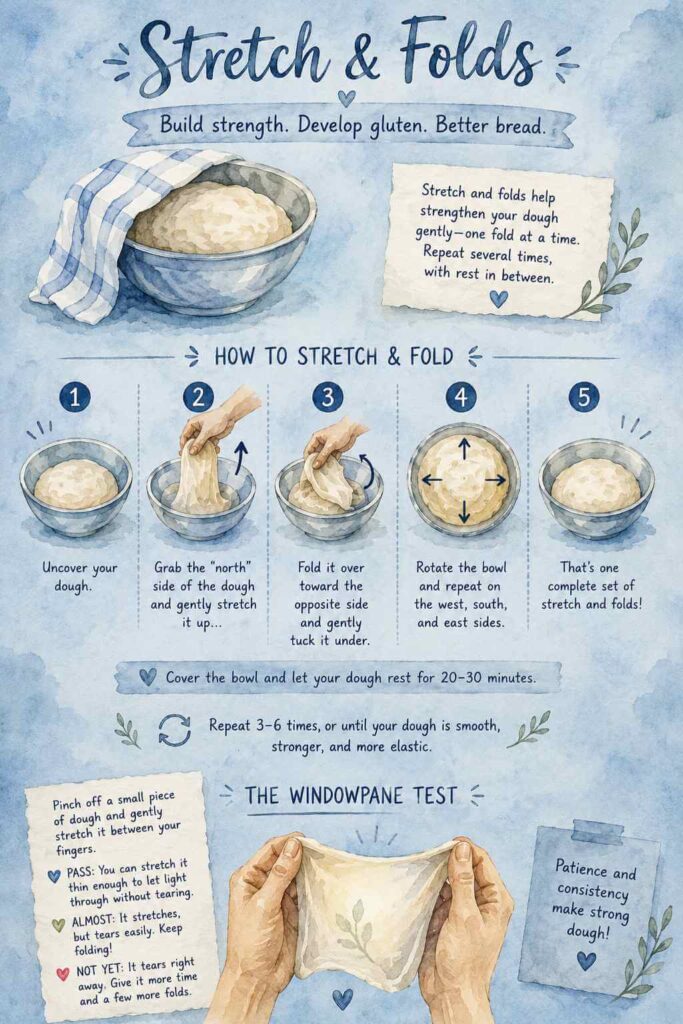
Let your dough chill for 20 minutes, and now it’s time to start building strength. This next step is called stretch and folds, and while it might sound like a gentle yoga class … it’s actually all about giving your sourdough cinnamon rolls that nice structure and chewy texture we all love.

You’ll be doing 3-8 sets of stretch and folds, spaced 20 minutes apart. That’s right … this sourdough cinnamon rolls recipe is about to get rhythmic. Think of it like sourdough’s version of interval training.

How to Stretch and Fold Sourdough Cinnamon Rolls

Uncover your dough like you’re waking a tiny bread dragon from a cozy nap.

Start with the “north” side of your dough (aka the top edge). Grab a handful of dough and gently stretch it up … not so hard that it rips, but high enough that you feel a little tension.

Fold it over toward the opposite side (south), gently tucking it under.

Now rotate the bowl and do the same thing on the west, south, and east sides.

Boom. You’ve done one full stretch and fold set.

Once you finish your foldy workout, cover the bowl back up and let your dough rest in a warm, peaceful spot for another 20 minutes.

Repeat and Relax

You’ll repeat this same stretch-and-fold routine a few more times, with a 20-minute rest in between each set. Set a timer if you’re forgetful (ask me how I know), and feel free to give your dough a little “you’ve got this” pep talk each time you lift the towel.

The goal is to pass the windowpane test … pinch off a little piece of dough and gently stretch it between your fingers. If it gets thin enough to let light through without tearing (like a tiny, gluten-powered stained glass window), congrats! Your dough is ready for the next step. If it rips? Give it a few more folds … it’s still in its awkward stage.

Chart about how to do stretch and folds and know what windowpane is for sourdough cinnamon rolls

First Rise (The Sourdough Cinnamon Rolls’ Dough Nap Era)

After the final stretch and fold, it’s time to let the dough hang out and ferment undisturbed. That’s right … this is its quiet time. No more poking, prodding, or peeking.  FYI: This phase is what bakers call bulk fermentation, which is a very official-sounding name for “let the dough do its thing for a while.”

Cover the bowl and place it somewhere warm and cozy so the dough can relax and puff up in peace. 

Now, if you want to lightly oil the bowl first, go for it. That’s the official “responsible baker” method. Personally, I usually skip it because I like living dangerously. Either way works.

At this stage, your only real job is patience. Which, unfortunately, is not the fun part.

You want the dough to increase in size and look noticeably puffy. For sourdough dough, this usually takes around 4-8 hours. Don’t forget that YOUR sourdough could take quite a bit longer or shorter depending on how active your starter is and whether your kitchen feels like a tropical vacation or an old castle in winter.

And honestly, dough timing is a little dramatic sometimes. Warm kitchens speed things up. Cold kitchens slow everything down. Drafts make the dough moody. Humidity joins the chaos. High altitude likes to add its own opinions, too.

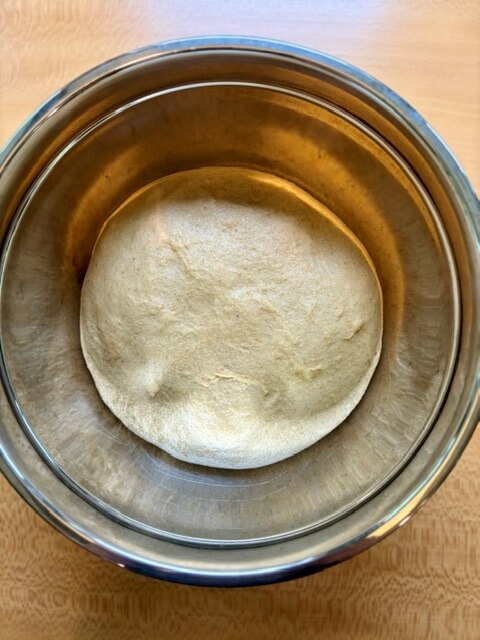
So instead of staring at the clock every 12 minutes, wondering if it’s done yet, just watch the dough itself. When it looks airy, puffy, and approximately doubled, you’re ready for the next step in the cinnamon-roll-making adventure.

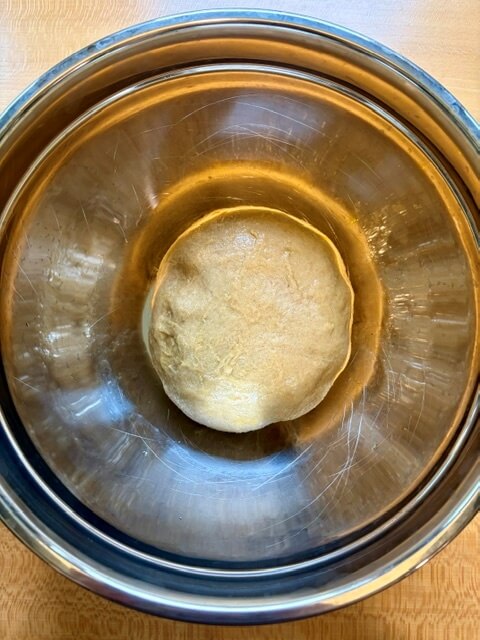
Not Puffy Yet ... But Give it Time
fresh milled flour dough after first rise
Now That's What We Were Waiting For

Make the Filling (The Gooey Situation Begins)

While your dough is off getting bigger and fluffier, it’s time to work on the part that makes people immediately hover around the kitchen pretending they’re “just checking on things.” The filling.

Start by melting ½ cup of butter. Then stir in:

  • 1¼ cups (250g) brown sugar

  • 3 tablespoons (20g) cinnamon

  • A pinch of salt

  • 2½ tablespoons (25g) flour

Now, if you’re using freshly milled flour, this is where that extra 1½ tablespoons of hard white wheat berries you ground earlier comes back into play. Once milled, it gives you exactly the amount you need for this step (2½ tablespoons) … so nothing wasted, everything intentional.

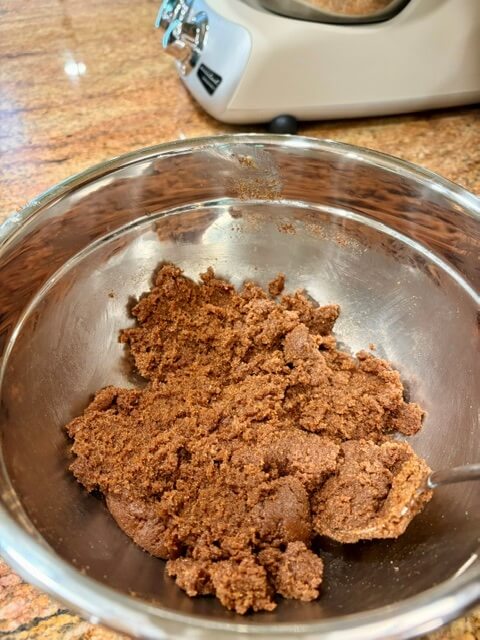
Now mix everything together until it turns into a thick cinnamon-sugar paste.

And yes, there’s a reason we’re making a paste instead of just sprinkling cinnamon sugar over the dough like a glitter project. When the butter and sugar are mixed together first, the filling stays tucked inside the rolls better while baking. Less leaking out of the bottom. More gooey swirls. Better life choices.

That little bit of flour also helps hold everything together.  It gives the layers just enough sticking power so the layers stay beautifully clung together instead of separating.

A metal bowl with brown sugar and butter and cinnamon for the filling for sourdough cinnamon rolls

Roll Out the Dough (Without Starting a Flour Blizzard)

Alright, here’s the part where most recipes tell you to throw a mountain of flour onto your counter and hope for the best. Respectfully … I do not do that.

Instead, I use a little oil.

Not because I’m trying to reinvent cinnamon rolls, but because after all the work we just did to create soft, hydrated dough, I’m not super interested in dumping a bunch of extra flour back into it.

So here’s my favorite trick.

Lightly spritz your countertop with oil. Just enough to make the surface a little slick. Then place your dough right on top. And honestly? It’s magic.

The dough rolls out smoother, sticks less, no tearing, and glides around without trying to fight you every three seconds. It’s one of those tiny baking tricks that quietly makes everything easier.

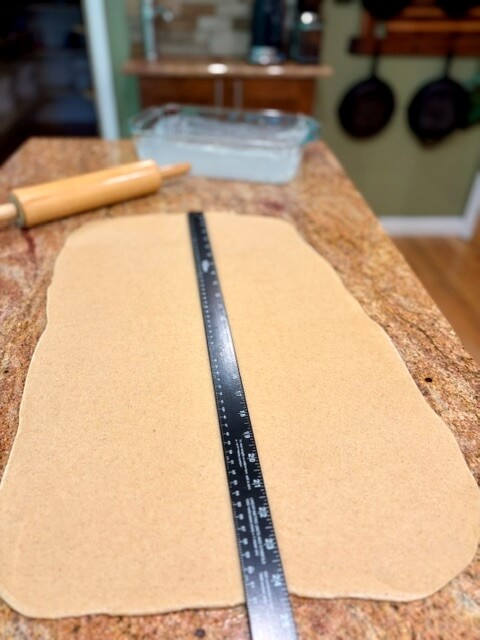
Once your dough is on the counter, roll it into about a 15” x 24” rectangle. It does not need to be mathematically perfect. This is sourdough cinnamon rolls, not architecture. Just aim for reasonably even thickness so your rolls bake up soft and fluffy instead of giving you one giant roll and eleven tiny rolls.

Dough rolled out on counter with a yardstick on top to show the length and rolling pin and pan in the background for sourdough cinnamon rolls

Fill, Roll & Slice (The Cinnamon Roll Burrito Phase)

Now that your dough is rolled out and looking all smooth and cooperative, it’s time for the part everyone actually cares about: loading it with cinnamon-sugar goodness.

First, scoop little blobs of filling all over the dough. And yes, “blob” and “blop” are both highly professional baking terms around here.

Then grab an offset spatula (or honestly, whatever spreading tool you trust with your future happiness) and spread the filling evenly across the surface. Take it all the way to the edges … except for one long side. Leave about a ½-inch clean strip there so the dough can seal itself shut later.

Now comes the roll.

Starting from the long side (with filling all the way to the edge), begin rolling the dough up tightly. Think confident, steady pressure … not “gently folding a blanket.” We’re building cinnamon roll spirals here. As you roll, you can lightly pull the dough back toward you before continuing forward. That little motion helps keep the swirls tight and pretty instead of loose and floppy.

Once you reach the clean edge, pinch the seam closed so all that buttery filling stays where it belongs: inside the rolls and eventually all over your fingers.

At this point, you should have one glorious cinnamon log sitting in front of you.

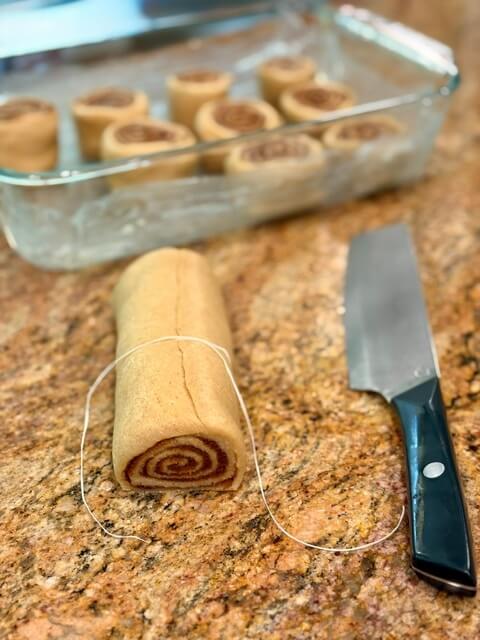
Now slice it into 12 rolls, about 2 inches thick each. A sharp knife works great, but if you want to try a trick that Grandma used … use unflavored dental floss or string. Just slide it under the log, cross it over the top, and pull. It cuts cleanly without smashing your beautiful layers.

And just like that … your giant cinnamon roll burrito officially becomes actual cinnamon rolls.

Sourdough Cinnamon Rolls on counter ready to be cut with knife or dental floss

Second Rise & Make-Ahead Options for Sourdough Cinnamon Rolls

First, grab a 9×13-inch pan and butter it generously. And by generously, I mean this is not the moment for tiny polite butter amounts. We are building a soft, gooey cinnamon roll experience here and we don’t want them to stick.

Now gently place your rolls into the pan. They’ll probably look a little spaced apart at first, but don’t worry. 

Then cover the pan and let the rolls rise until they look noticeably puffy, lightly touching, and proud of themselves. Since this is sourdough, timing can vary wildly depending on how warm your kitchen is and whether your starter chose productivity or chaos today. Usually, this rise takes somewhere around 2–4 hours.

The good news? You’ve got options.

Option 1: Bake the Same Day

If you’re making these sourdough cinnamon rolls all in one day, simply let the rolls finish their second rise at room temperature until they look soft and fluffy.

You don’t need them exploding out of the pan before baking. Remember, they’ll continue rising once they hit the oven. Slightly under-proofed is usually better than overdoing it and ending up with sad, deflated cinnamon spirals.

Once they’re ready, bake at 350°F for about 30ish minutes until golden brown, bubbly, and impossible to ignore.

Option 2: Overnight Sourdough Cinnamon Rolls

Honestly, this might be my favorite option because waking up to cinnamon rolls feels wildly responsible and irresponsible at the same time.

Once the rolls are shaped and in the pan, let them do a partial second rise (slightly puffy), and then cover them tightly and place them in the refrigerator overnight. The cold slows everything down, which gives the dough more flavor while also letting you do all the hard work ahead of time.  (Note: If your starter isn’t very active … you can let it rise longer before you pop it in the fridge.)

The next morning, take the pan straight from the fridge and place it into a cold oven. Yes, cold. Don’t preheat first.

Then turn the oven to 350°F. As the oven slowly warms up, the rolls continue rising gently instead of getting shocked with sudden heat.

Once the oven reaches temperature, bake for about 30 minutes until golden, fluffy, and deeply tempting.

Option 3: Freeze Them for Future You

Future-you deserves cinnamon rolls, too.

To freeze unbaked sourdough cinnamon rolls, let them complete most of their second rise. You’re aiming for about 75% puffy … soft and expanded, but not fully doubled.

Then cover the pan tightly and freeze.

When you’re ready to bake, transfer the pan to the counter the night before so the rolls can thaw (remember your activity level of your starter and your kitchen vibes can greatly affect the rise times). The next morning, turn the oven to 350°F … pop them in the oven and cook for about 30ish minutes until they are a golden brown.

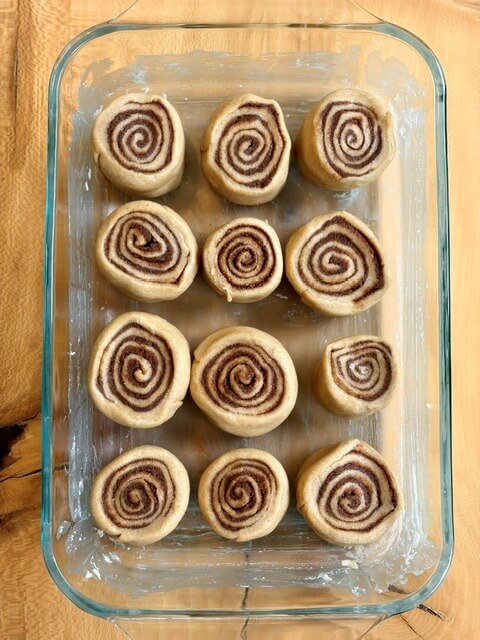
fresh milled cinnamon rolls before second rise in a pan
Freshly Rolled & Ready to Rise
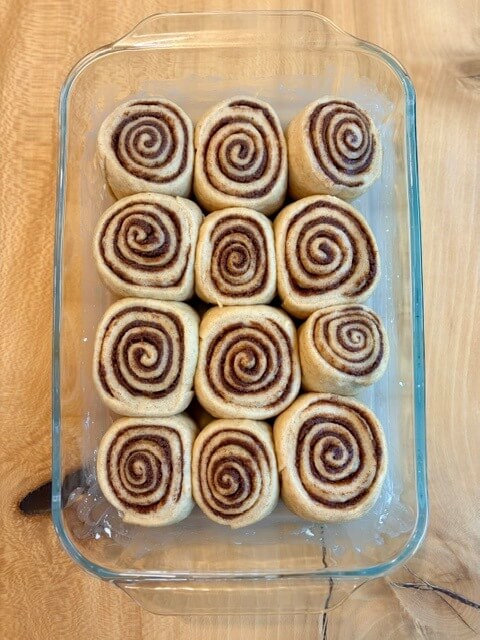
fresh milled cinnamon rolls in a pan that are nicely puffed up from a second rise
Puffy, Happy & Ready to Bake

Bake the Sourdough Cinnamon Rolls

At long last, we’ve arrived at the moment your entire kitchen has been emotionally preparing for: baking the sourdough cinnamon rolls.

Now bake the rolls for about 30ish minutes. And yes, “ish” is doing some heavy lifting here because sourdough likes to keep things interesting … along with the fact that some ovens run hot, some run cold, and some cinnamon rolls are simply thicker than others.

So instead of staring aggressively at the timer, watch for the real signs.

The tops should turn beautifully golden brown, the centers should look set, and the edges should be bubbling with buttery cinnamon goodness. Your house should also smell suspiciously like a bakery you can’t afford to walk into casually.

Now, this is the dangerous stage. Because once the smell hits, there’s a strong temptation to yank them out early and immediately face-plant into the pan with a fork.

I understand this urge deeply.

However, underbaked sourdough cinnamon rolls tend to fool people. The filling gets gooey long before the center of the dough is actually finished baking, which means the middle can stay a little too soft and doughy if you pull them too soon.

And while gooey is wonderful, raw dough is where we draw the line.

So if you want to be extra sure, check the center bread portion of the sourdough cinnamon rolls with a thermometer. You’re aiming for around 180–185°F. That’s the sweet spot where the rolls stay soft and fluffy while still being fully baked and structurally capable of holding all that cinnamon-sugar chaos together.

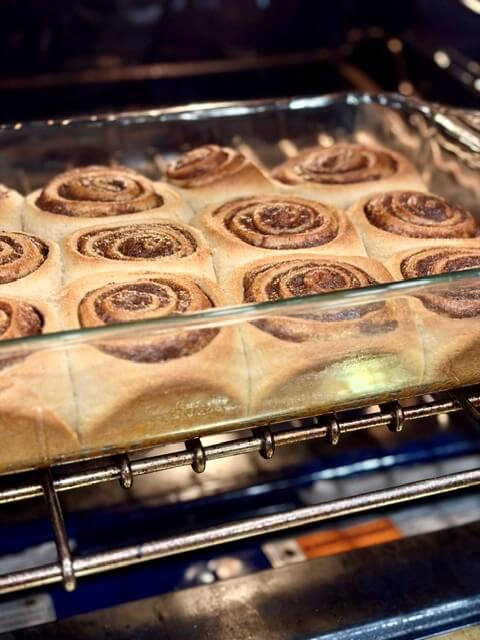
Sourdough Cinnamon Rolls in the oven and they are browned and ready to come out

To Flip or Not to Flip: The Sourdough Cinnamon Roll Crisis

Once your sourdough cinnamon rolls come out of the oven all golden, bubbly, and smelling like absolute comfort food, you’ll immediately face an important life decision.

Do you leave them in the pan?

…or do you flip them out dramatically onto a tray like a cinnamon-roll stunt double?

Both approaches have loyal supporters.

Option one is the “leave them where they are” method. This is the calmer, safer route. The rolls stay warm, cozy, and easy to frost without requiring bravery or upper-body strength. Honestly, this is usually the route I take because it involves the lowest risk of cinnamon-roll-related tragedy.

Then there’s Team Flip.

These people live a little more dangerously.

The goal here is to turn the pan upside down onto a tray right after baking so all the buttery cinnamon goo from the bottom gets a chance to drip down through the rolls like some sort of caramel waterfall situation. And to be fair… it’s incredibly delicious.

However, if you’re going to flip them, timing matters … you need to do it immediately while everything is still hot and gloriously melty. Once the sugar cools, it starts sticking to the pan like it pays rent there, and suddenly your beautiful sourdough cinnamon rolls become a rescue mission.

So really, there’s no wrong answer here.

Whether you leave them in the 9 x 13 or flip them onto a tray for maximum gooey drama, you still end up with soft, fluffy sourdough cinnamon rolls that are almost impossible to wait for long enough to frost properly.

Frosting: The Final Sourdough Cinnamon Rolls Personality Test

While your sourdough cinnamon rolls are baking away and making your entire house smell wonderful, this is the perfect moment to make an extremely important decision:

What kind of frosting person are you?

Because technically, yes, you could eat sourdough cinnamon rolls plain. But we both know that’s not why we came here.

Now, the recipe card below includes a classic cream cheese frosting, and honestly … it’s popular for good reason. It’s rich, creamy, tangy, and has that iconic cinnamon roll flavor everyone recognizes immediately. It’s dependable. Predictable. A real team player.

However… in my house, buttercream tends to steal the spotlight.

I know. Bold statement.

But there’s just something magical about buttercream on sourdough cinnamon rolls. It’s lighter, silkier, and lets the warm cinnamon-sugar flavor stay front and center instead of barging in with full cream-cheese energy. It sort of melts into the swirls like it was prepared for this moment.

So really, this comes down to what kind of cinnamon roll experience you want. 

Personally, I usually lean toward buttercream. If you want to try the frosting my family aggressively scrapes from the bowl, you can absolutely grab that recipe right here.

Making the Cream Cheese Frosting for Sourdough Cinnamon Rolls

Let’s give the cream cheese frosting its well-deserved moment… because this version is extra fluffy, ridiculously creamy, and dramatically better than the sad, overly sweet grocery store kind.

Start by adding softened cream cheese and softened butter to a mixing bowl. And yes, if “softened” really means “slightly microwaved because you forgot to plan ahead” … you are absolutely among friends here.

Then beat the cream cheese and butter together for about 2 minutes until everything starts looking smooth and fluffy instead of like two ingredients silently refusing to cooperate. 

Next, scrape down the bowl. Because somehow frosting ingredients always manage to climb halfway up the sides like they’re trying to escape.

Then mix again for another 2 minutes until the mixture looks creamy, smooth, and fully committed to becoming frosting. Cream cheese still lumpy?  Mix a little longer.

Now add:

Mix everything together until it transforms into a thick, fluffy cloud of cinnamon-roll destiny.

At this point, it’ll probably look a little too thick. That’s normal.

Now, slowly add milk or heavy cream one tablespoon at a time. And when I say slowly, I mean frosting can go from “perfectly spreadable” to “accidental glaze soup” with shocking speed.

You’ll usually need somewhere around 1–4 tablespoons, depending on how thick you like your frosting.

Mix well after each addition and stop once the frosting looks soft, fluffy, and spreadable enough to swoop dramatically across warm sourdough cinnamon rolls like it was born for this exact purpose.

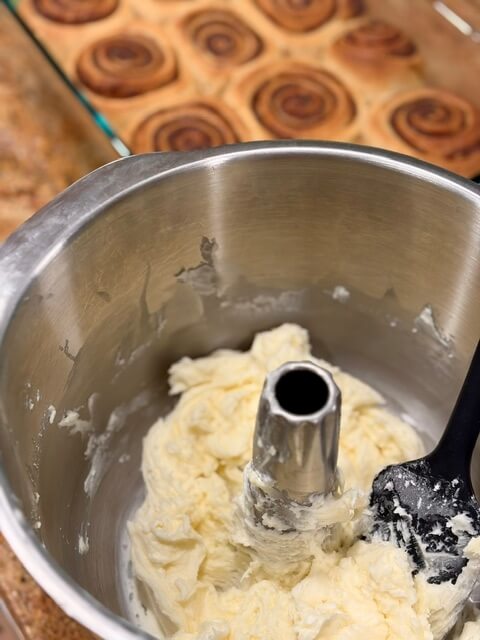
A bowl of frosting in front of a pan of fresh milled cinnamon rolls

Frosting Strategy for Sourdough Cinnamon Rolls

Now that your sourdough cinnamon rolls are golden, fluffy, and making everyone wander suspiciously close to the kitchen, it’s time for one final decision:

How exactly are you frosting these beauties? Because this is not just a frosting step. This is a frosting philosophy. And honestly, there are three excellent paths forward here.

Option 1: Hot Rolls + All the Frosting = Glaze Mode

First, you can spread all the frosting onto the rolls while they’re still piping hot.

If you choose this route, the frosting melts immediately into every swirl, crack, and crevice like it has absolutely no interest in holding its shape. What you end up with is less “frosted cinnamon roll” and more “glazed cinnamon cloud situation.”

It’s warm. Sticky. Slightly messy. Extremely delicious.

This is the option for people who hear the word “gooey” and think, “Yes. More.”

Option 2: Cool Rolls + All the Frosting = Classic Frosting Situation

Next, you can wait until the sourdough cinnamon rolls cool before frosting them.

This gives you that thick, fluffy layer sitting proudly on top like the classic bakery-style cinnamon rolls everyone stares at through glass display cases.

The frosting stays soft and structured instead of melting away, which means every bite gets a proper frosting layer instead of a glaze.

Very clean. Very classic. Very respectable.

Option 3: The Double-Frost Method (My Favorite)

Now personally… this is the route I almost always take because it gives you the best of both worlds.

First, spread about half the frosting over the hot sourdough cinnamon rolls right out of the oven. That layer melts down into the swirls and turns into this buttery, cinnamon-sugar glaze situation that feels borderline illegal.

Then, once the rolls cool a bit, go back in with the rest of the frosting and spread it over the top.

So now you have two layers happening:

  • one melted and gooey glaze
  • one fluffy and thick

Which basically means your sourdough cinnamon rolls achieve peak cinnamon-roll potential.

Time to Dig In! (The Entire Point of This Whole Operation)

Alright. This is it. The finish line. The moment your family has been patiently waiting for, while pretending it wasn’t hovering near the oven for the last 10 minutes.

The sourdough cinnamon rolls are baked. Frosted. Glazed (possibly both). And now there is only one thing left to do.

Eat one.

Go ahead and grab a roll. No ceremony required… although a small amount of ceremonial “wow, these are incredible” admiration is completely normal at this stage.

If you want the full experience, gently pull it apart as you eat. Let those soft, buttery layers stretch and separate in slow motion like some kind of highly satisfying edible unraveling situation. It’s part snack, part performance art.

Then take the first bite.

And just like that, the world briefly improves.

At this point, it is also socially acceptable to casually offer one to someone nearby. Whether you actually intend to share or are just doing the polite cinnamon-roll etiquette gesture … is entirely between you and your conscience.

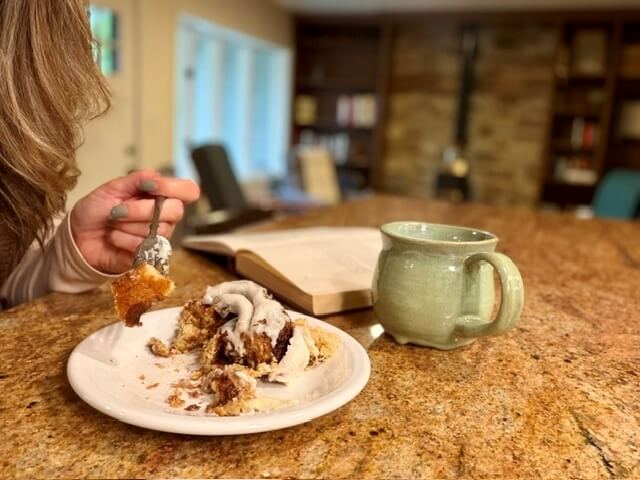
Sourdough Cinnamon Rolls on a plate and it is half eaten. Sitting next to a cup of coffee and a book.

FAQ: Frequently Asked Dough-lemmas

What type of flour works best for sourdough cinnamon rolls?

For the strongest, fluffiest structure, use freshly milled hard white wheat berries or store-bought bread flour. These give the dough enough strength to hold all that gooey filling. Hard red wheat berries will also work, but it brings a deeper, nuttier flavor that changes the vibe in a very delicious way. (Here’s the more scoop about choosing wheat berries.)

Can I swap fresh milled flour and store flour one-for-one to make sourdough cinnamon rolls?

Not exactly. Fresh milled flour behaves differently because it absorbs liquid more slowly and continues hydrating as it rests. So while you can substitute, it’s not a perfect 1:1 switch. If you’re new to converting recipes between the two … I recommend checking out my conversion guide.

Can I use yeast or sourdough starter … what’s the difference here?

This version is written for sourdough starter, but yes … yeast can be used if you want a faster rise. Sourdough just takes its time and brings a deeper flavor, while yeast is more of a “let’s get this done today” situation. Both work beautifully, just with different timelines and personalities. Here is the link to the yeast version.

Why is my sourdough cinnamon rolls dough so sticky at first?

That stickiness is completely normal … especially with fresh milled flour. At the beginning, the dough may feel loose or tacky, but it tightens up as it hydrates and develops gluten. Resist the urge to add too much extra flour early on. Most of the magic happens after resting and fermentation, not right away.

Do I really need the resting and rise time with fresh milled flour sourdough cinnamon rolls?

Yes, the resting period allows the flour to fully hydrate.  If you rush it, the dough won’t have time to build that soft, airy texture sourdough cinnamon rolls are known for. Patience here is basically an ingredient.

How do I know if my dough is ready to shape into sourdough cinnamon rolls?

You’re looking for dough that feels smoother, more elastic, and slightly airy. It should have visible expansion and feel lighter than when you mixed it. It doesn’t need to double exactly on the clock … sourdough works on “when it’s ready,” not a strict schedule.

Why did my sourdough cinnamon rolls turn out dense?

Density usually comes from under-proofing or a dough that didn’t get enough hydration time. If the dough feels tight or heavy going into the oven, it likely needs more time to rise.

Why didn’t my sourdough cinnamon rolls rise properly?

A few usual suspects: a weak or underfed starter, a cool kitchen slowing fermentation, or not enough time allowed for proofing. Sourdough is sensitive to temperature and timing, so sometimes it just needs a warmer spot or a longer nap.

Do sourdough cinnamon rolls rise the same as yeast versions?

Not really. Sourdough is slower and more gradual, while yeast is fast and predictable. With sourdough, you’re watching the dough more than the clock. Expect longer rise times and a softer, more complex flavor in return.

How do I keep the filling from leaking out during baking my sourdough cinnamon rolls?

Don’t overfill (tempting, I know), leave a small clean edge when rolling, and roll the dough tightly so the swirl holds its shape. 

How do I know when sourdough cinnamon rolls are fully baked?

Look for deep golden tops and set centers. If you want to be precise, the dough portion should reach about 180–185°F. That ensures the inside is fully baked without drying out the soft layers.

Can I make sourdough cinnamon rolls ahead of time?

Yes, this is one of the best parts of sourdough. You can assemble the rolls, cover them, and refrigerate overnight. The next morning, you can finish them up.

Can I freeze sourdough cinnamon rolls?

Absolutely. You can freeze them before baking (after shaping and partial rise) or after baking. If freezing unbaked, thaw on the counter overnight before baking. If freezing baked rolls, reheat and frost when ready.

The Sweet Final Chapter

So here we are … the very end of the cinnamon roll adventure. And I’ll just say it clearly: these are worth making.

They’re soft, gooey, and have a strong “disappear faster than I planned” reputation in my kitchen. Also worth noting … they make dangerously good gifts. Drop a pan of these off to a neighbor, teacher, or anyone who happens to be nearby (but only if you want them to really really like you.)

And beyond the compliments (which are basically guaranteed), there’s something deeply satisfying about pulling these out of your own oven. Homemade cinnamon rolls just hit differently. The dough is softer and more tender, the layers stay fluffy instead of heavy, and the smell alone feels like a reward system built into baking.

The best part is that you’re fully in control here. Real butter, simple pantry ingredients, good cinnamon, and your choice of frosting … cream cheese, buttercream, or whatever your heart decides in the moment. No shortcuts, no mystery ingredients, just a pan of rolls that tastes exactly how you want it to.

And if you’re using freshly milled flour, the whole experience gets an extra layer of depth. The flavor is a little richer, a little more alive, and the whole kitchen feels like something intentional is happening … even if you’re just in sweatpants waiting for the timer to go off.

Either way, fresh milled or store flour, sourdough or yeast … this is one of those recipes that tends to turn into a repeat habit. Not because you have to… but because once you’ve had them warm from the oven, it’s kind of hard to forget them.

Final Tidbits: Sourdough Cinnamon Rolls

Before you go (and before you “accidentally” decide the last roll is going to be yours), make sure to poke around my other recipes and baking guides. They’re all about keeping things fun, approachable, and just a little bit dangerous for your self-control in the best way.

And if you make these fresh milled cinnamon rolls (or the store flour version), I genuinely want to hear about it. Leave a comment, tag me on Instagram (@hopethiswerksdiy), come hang out with me on Facebook, or wander over to YouTube. I’ll be over here cheering you on … very likely with frosting somewhere on my hands and no intention of fixing it.

If you want more recipes like this that actually behave in real kitchens (not just perfect test kitchens with magical humidity), you can subscribe here, and I’ll send you a printable recipe card for the best pancakes on earth as a thank-you.

And don’t forget … if you want my favorite frosting option for these rolls, you can grab that here too.

Until next time… may your rolls be fluffy, your filling be gooey, and your “just one more bite” decisions be fully worth it.

Yield: One Dozen Cinnamon Rolls

Cinnamon Rolls with Fresh Milled Flour & Sourdough
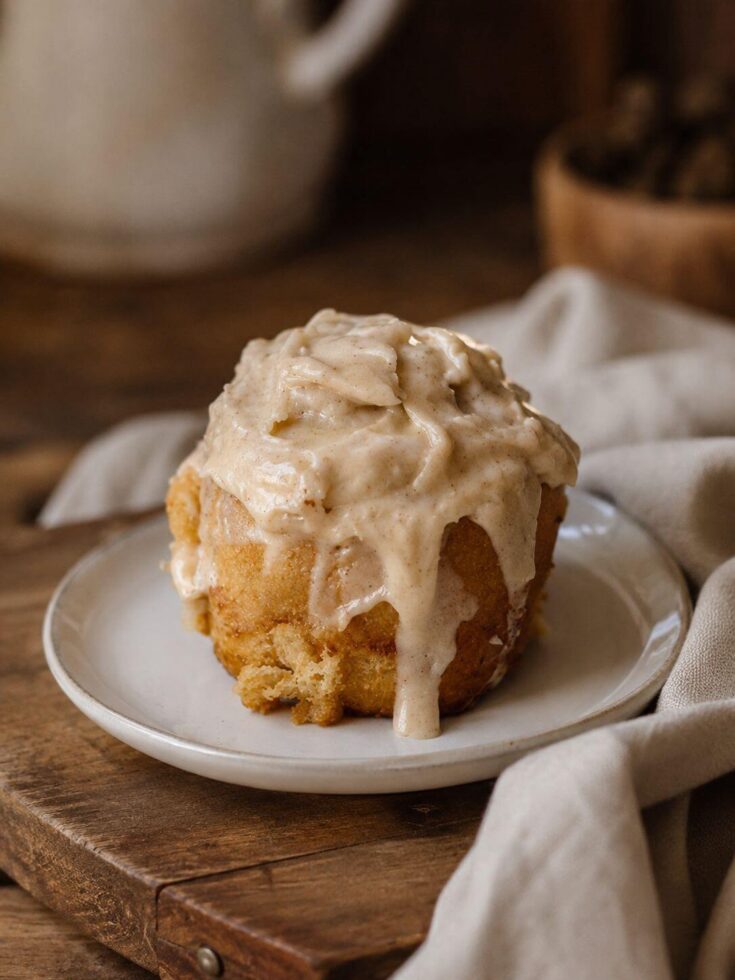
Sourdough Cinnamon Rolls on a white plate sitting on a wooden cutting board

Soft, fluffy cinnamon rolls made with freshly milled flour and active sourdough starter ... packed with a rich, gooey cinnamon swirl. Includes overnight, make-ahead, and freezer options because sleep is important too.

Ingredients

Levain

  • ¼ cup (50g) sourdough starter
  • ⅓ cup (100g) water
  • ¾ cup (100g) flour

Dough

Filling

Frosting

Instructions

  1. Levain: The night before, mix all the ingredients together until it looks like a thick batter. Cover it up and let it hang out on the counter for 12ish hours.
    2 tbsp (25g) sourdough starter, 3 tablespoons (50g) water, 6 tbsp (50g) flour
  2. Let's Start: In your mixing bowl, add warm milk, sugar, and active sourdough starter. Stir until combined. If you want the yeast version of the recipe - click here.
    1 cup milk, ½ sugar, sourdough levain
  3. More Yummies: Mix in melted butter, eggs, and salt until combined. 
    ⅓ cup butter, 2 eggs, 1 tsp salt
  4. Flour Power: Slowly add the freshly milled flour. Stop when the dough is still very soft and a little sticky (not a rock, not pancake batter). You may not need all of it ... go by how it looks, not just the measurement. Knead 8 minutes → rest 30 minutes (it’s hydrating, not being lazy) → knead another 8 minutes. Add a little more flour at this point if needed ... goal is “tacky but not clingy” to your finger. 
    3 cups (620g) hard white wheat berries, finely ground (+25g for later)
  5. Stretch-and-Folds: Cover up your dough and pop that mixed dough into a warm, cozy spot ... let it hang out for 20 minutes. Do a set of strength-building folds: grab one side, stretch it up, and tuck it in like you’re making a dough burrito. Repeat on all sides (north, west, south, east). Cover it back up and return it to its warm nap zone for another 20 minutes. Do a total of 3 to 8 sets of stretch and folds, spaced 20 minutes apart. The goal is to pass the window pane test.
  6. First Rise (Bulk): Cover and let rise in a warm spot until almost doubled. Depending on your kitchen temperature and how ambitious your starter feels, this usually takes about 4–8 hours (the timing largely varies and depends on kitchen vibes).
  7. Make the Filling: Put melted butter in a medium bowl. Mix in brown sugar, cinnamon, salt, and flour until it becomes a thick, spreadable paste. Set aside. Try not to eat it.
    ½ cup butter, 1¼ cups brown sugar, 3 tbsp cinnamon, pinch salt, 2½ tbsp flour
  8. Roll It Out: Lightly spritz the counter with oil. Punch dough down (emotionally satisfying step). Place dough on the counter and roll it into a 15” x 24” rectangle.
  9. Fill: Spread filling evenly, leaving a ½” clean edge on one long side so it can seal it. Roll tightly (think: cinnamon roll burrito). Cut into 12 pieces (with sharp knife or dental floss) ... about 2 inches each.
  10. Second Rise: Place rolls in a generously buttered 9x13 pan. Cover. Let rise for 2-4 hours, until puffy, lightly touching, and doubled again (time varies greatly ... depending on how much your sourdough feels like partying). See "Notes" below for overnight & freezer options.
  11. Bake: Bake at 350° for about 30ish minutes until golden brown. If you like being precise, the center of the bread should hit 180–185°.
  12. Frosting: Beat cream cheese and butter for 2 minutes. Scrape the bowl, then beat 2 more minutes until light and dreamy. Add powdered sugar, vanilla, cinnamon, and salt. Mix it up. Scrape bowl. Splash in milk if needed to loosen things. Beat 2 more minutes at medium-high speed until fluffy. Or click here for my favorite buttercream frosting recipe.
    4 oz cream cheese, ¼ cup butter, 3 cups powdered sugar, 1 tsp vanilla, 1 tsp cinnamon, Pinch of salt, Milk
  13. Frosting Strategy: Glaze with part of the frosting when they are hot so it melts in, then use the rest of the frosting once cooled so it actually stays on the rolls instead of becoming a puddle.
  14. Eat (Yay!): Grab one while it’s warm, pull it apart dramatically, admire your swirls, and take a bite. Try to share… or don’t. I won’t tell.

Notes

  • Buttercream Frosting Instead of Cream Cheese? Oh, I've got you. Click here for the FREE recipe ... because in my house, buttercream wins. It’s light, dreamy, and disappears suspiciously fast … almost like someone keeps “taste testing” it.
  • Reheat? Put them in the microwave for 30 seconds. I stand there and watch, and as soon as the frosting starts to move ... I pull it out and eat!
  • Overnight Option / Make Ahead? Absolutely. Make the rolls the day before and place them in your 9x13 pan ... let them do a partial second rise before refrigerating (about 30-60 minutes, or just until they look slightly puffy) ... then cover tightly. Put them in your fridge overnight. Next morning, pop them into a cold oven, set it to 350°, and let them warm up with the oven (they’ll finish rising like overachievers). Once the oven hits 350°, bake for 30 minutes until golden and glorious. Note: Your starter basically decides the schedule here. Some starters are Olympic athletes. Others need emotional support and a nap.
  • Freeze Unbaked? Yes. Let rolls do their second rise in the pan until about 75% puffy, then freeze. When ready to bake, move them to the counter 12-14 hours before (shorter if your house is warm). In the morning → turn oven to 350° → bake 30 minutes once preheated.
  • Freeze Cooked? Sure thing. Freeze them baked and unfrosted ... then thaw, warm briefly in the oven for a few minutes, and frost while cozy. OR freeze them fully frosted and ready to grab when the craving hits.
  • Storage? If (somehow) you have leftovers, store them in an airtight container in the fridge for 3–4 days ... cream cheese frosting needs to stay chilled. When you’re ready to enjoy one, just pop it in the microwave for 30 seconds until it’s soft, warm, and gooey again.
  • Same Day Timeline-ish? Night before make levain → 8:00 AM Mix dough → 8:15 AM First knead → 8:23 AM Dough rest → 8:53 AM Second knead → 9:00 AM Rest dough → 9:30 AM Stretch & Fold #1 → 10:00 AM Stretch & Fold #2 → 10:30 AM Stretch & Fold #3 → 11:00 AM Stretch & Fold #4 (continue with more sets if dough still needs strength) → 11:00 AM–5:00 PM First rise → 5:00 PM Roll, fill, and shape → 5:30 PM–8:00 PM Second rise → 8:00 PM Bake → 8:35 PM Frost and pretend you’re sharing.
  • Overnight Timeline-ish? Night before make levain → 8:00 AM Mix dough → 8:15 AM First knead → 8:23 AM Dough rest → 8:53 AM Second knead → 9:00 AM Rest dough → 9:30 AM Stretch & Fold #1 → 10:00 AM Stretch & Fold #2 → 10:30 AM Stretch & Fold #3 → 11:00 AM Stretch & Fold #4 (continue with more sets if dough still needs strength) → 11:00 AM–5:00 PM First rise → 5:00 PM Roll, fill, and shape → 5:30 PM–6:00 PM Partial Second rise → 6:30 PM Fridge overnight → 8:00 AM Put in cold oven → 8:15 AM Bake → 8:45 AM Frost and eat.

Yield: One Dozen Cinnamon Rolls

Cinnamon Rolls with Store Flour & Sourdough
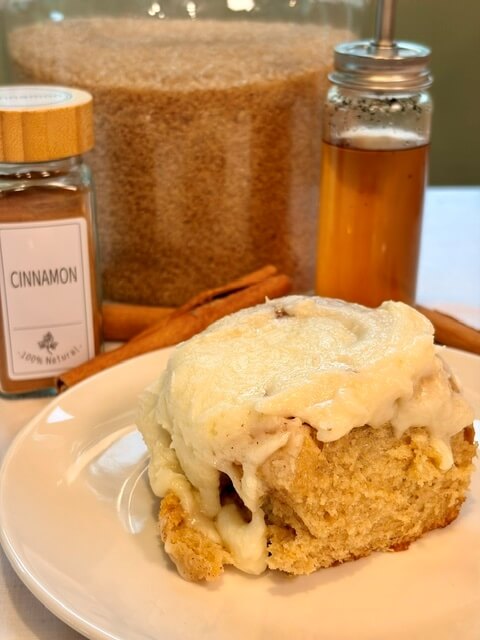
Sourdough Cinnamon Roll on a white plate with cinnamon and brow sugar and vanilla behind it

Soft, fluffy cinnamon rolls with a rich, gooey filling and a dough you can count on every time. Made with simple pantry ingredients and easy-to-follow steps, plus make-ahead and overnight options for stress-free baking.

Ingredients

Levain

  • ¼ cup (50g) sourdough starter
  • ⅓ cup (100g) water
  • ¾ cup (100g) flour

Dough

Filling

  • ½ cup butter, melted
  • 1¼ cups (250g) packed brown sugar
  • 3 (20g) tablespoons ground cinnamon
  • Pinch of salt
  • 2½ tbsp of flour

Frosting

Instructions

  1. Levain: The night before, mix all the ingredients together until it looks like a thick batter. Cover it up and let it hang out on the counter for 12ish hours.
    2 tbsp (25g) sourdough starter, 3 tablespoons (50g) water, 6 tbsp (50g) flour
  2. Let's Start: In your mixing bowl, add warm milk, sugar, and active sourdough starter. Stir until combined. If you want the yeast version of the recipe - click here.
    1 cup milk, ½ sugar, sourdough levain
  3. More Yummies: Mix in melted butter, eggs, and salt until combined. 
    ⅓ cup butter, 2 eggs, 1 tsp salt
  4. Flour Power: Slowly add the flour. Stop when the dough is still very soft and a little sticky (not a rock, not pancake batter). You may not need all of it ... go by how it looks, not just the measurement. Knead for 8 minutes. Add a little more flour at this point if needed ... goal is “tacky but not clingy” to your finger. 
    4½ cups bread flour
  5. Stretch-and-Folds: Cover up your dough and pop that mixed dough into a warm, cozy spot ... let it hang out for 20 minutes. Do a set of strength-building folds: grab one side, stretch it up, and tuck it in like you’re making a dough burrito. Repeat on all sides (north, west, south, east). Cover it back up and return it to its warm nap zone for another 20 minutes. Do a total of 3 to 8 sets of stretch and folds, spaced 20 minutes apart. The goal is to pass the window pane test.
  6. First Rise (Bulk): Cover and let rise in a warm spot until almost doubled. Depending on your kitchen temperature and how ambitious your starter feels, this usually takes about 4–8 hours (the timing largely varies and depends on kitchen vibes).
  7. Make the Filling: Put melted butter in a medium bowl. Mix in brown sugar, cinnamon, salt, and flour until it becomes a thick, spreadable paste. Set aside. Try not to eat it.
    ½ cup butter, 1¼ cups brown sugar, 3 tbsp cinnamon, pinch salt, 2½ tbsp flour
  8. Roll It Out: Lightly spritz the counter with oil. Punch dough down (emotionally satisfying step). Place dough on the counter and roll it into a 15” x 24” rectangle.
  9. Fill: Spread filling evenly, leaving a ½” clean edge on one long side so it can seal it. Roll tightly (think: cinnamon roll burrito). Cut into 12 pieces (with sharp knife or dental floss) ... about 2 inches each.
  10. Second Rise: Place rolls in a generously buttered 9x13 pan. Cover. Let rise for 2-4 hours, until puffy, lightly touching, and doubled again (time varies greatly ... depending on how much your sourdough feels like partying). See "Notes" below for overnight & freezer options.
  11. Bake: Bake at 350° for about 30ish minutes until golden brown. If you like being precise, the center of the bread should hit 180–185°.
  12. Frosting: Beat cream cheese and butter for 2 minutes. Scrape the bowl, then beat 2 more minutes until light and dreamy. Add powdered sugar, vanilla, cinnamon, and salt. Mix it up. Scrape bowl. Splash in milk if needed to loosen things. Beat 2 more minutes at medium-high speed until fluffy. Or click here for my favorite buttercream frosting recipe.
    4 oz cream cheese, ¼ cup butter, 3 cups powdered sugar, 1 tsp vanilla, 1 tsp cinnamon, Pinch of salt, Milk
  13. Frosting Strategy: Glaze with part of the frosting when they are hot so it melts in, then use the rest of the frosting once cooled so it actually stays on the rolls instead of becoming a puddle.
  14. Eat (Yay!): Grab one while it’s warm, pull it apart dramatically, admire your swirls, and take a bite. Try to share… or don’t. I won’t tell.

Notes

  • Buttercream Frosting Instead of Cream Cheese? Oh, I've got you. Click here for the FREE recipe ... because in my house, buttercream wins. It’s light, dreamy, and disappears suspiciously fast … almost like someone keeps “taste testing” it.
  • Reheat? Put them in the microwave for 30 seconds. I stand there and watch, and as soon as the frosting starts to move ... I pull it out and eat!
  • Overnight Option / Make Ahead? Absolutely. Make the rolls the day before and place them in your 9x13 pan ... let them do a partial second rise before refrigerating (about 30-60 minutes, or just until they look slightly puffy) ... then cover tightly. Put them in your fridge overnight. Next morning, pop them into a cold oven, set it to 350°, and let them warm up with the oven (they’ll finish rising like overachievers). Once the oven hits 350°, bake for 30 minutes until golden and glorious. Note: Your starter basically decides the schedule here. Some starters are Olympic athletes. Others need emotional support and a nap.
  • Freeze Unbaked? Yes. Let rolls do their second rise in the pan until about 75% puffy, then freeze. When ready to bake, move them to the counter 12-14 hours before (shorter if your house is warm). In the morning → turn oven to 350° → bake 30 minutes once preheated.
  • Freeze Cooked? Sure thing. Freeze them baked and unfrosted ... then thaw, warm briefly in the oven for a few minutes, and frost while cozy. OR freeze them fully frosted and ready to grab when the craving hits.
  • Storage? If (somehow) you have leftovers, store them in an airtight container in the fridge for 3–4 days ... cream cheese frosting needs to stay chilled. When you’re ready to enjoy one, just pop it in the microwave for 30 seconds until it’s soft, warm, and gooey again.
  • Same Day Timeline-ish? Night before make levain → 8:30 AM Mix Dough and Knead → 9:00 AM Rest dough → 9:30 AM Stretch & Fold #1 → 10:00 AM Stretch & Fold #2 → 10:30 AM Stretch & Fold #3 → 11:00 AM Stretch & Fold #4 (continue with more sets if dough still needs strength) → 11:00 AM–5:00 PM First rise → 5:00 PM Roll, fill, and shape → 5:30 PM–8:00 PM Second rise → 8:00 PM Bake → 8:35 PM Frost and pretend you’re sharing.
  • Overnight Timeline-ish? Night before make levain → 8:30 AM Mix Dough and Knead → 9:00 AM Rest dough → 9:30 AM Stretch & Fold #1 → 10:00 AM Stretch & Fold #2 → 10:30 AM Stretch & Fold #3 → 11:00 AM Stretch & Fold #4 (continue with more sets if dough still needs strength) → 11:00 AM–5:00 PM First rise → 5:00 PM Roll, fill, and shape → 5:30 PM–6:00 PM Partial Second rise → 6:30 PM Fridge overnight → 8:00 AM Put in cold oven → 8:15 AM Bake → 8:45 AM Frost and eat.

If you enjoyed this article and want to help me buy more wheat berries (or maybe a broom for my kitchen), you can click this link … thanks a latte!

Sourdough Cinnamon Rolls: Simple Breakdown

These sourdough cinnamon rolls are soft, fluffy, gooey, and made with either fresh milled hard white wheat or store-bought bread flour. This homemade sourdough cinnamon rolls recipe uses active sourdough starter instead of commercial yeast for deeper flavor and natural fermentation.

The dough is enriched with butter, eggs, and milk for a soft pull-apart texture. The cinnamon filling is mixed into a spreadable butter paste to help reduce leaking and create gooey cinnamon-sugar layers throughout the rolls.

  • Recipe type: Homemade sourdough cinnamon rolls
  • Texture: Soft, fluffy, gooey pull-apart layers
  • Flavor: Buttery, cinnamon-sugar, lightly tangy sourdough
  • Flour options: Fresh milled flour or bread flour
  • Best wheat: Hard white wheat berries
  • Rise method: Natural sourdough fermentation
  • Stretch and folds: Yes
  • Overnight option: Yes
  • Freezer friendly: Yes
  • Bake temperature: 350°F
  • Bake time: About 30 minutes
  • Internal temperature: 180–185°F
  • Frosting options: Cream cheese frosting or buttercream frosting
  • Yield: 12 sourdough cinnamon rolls

Fresh Milled vs Store Flour for Sourdough Cinnamon Rolls

Component Fresh Milled Flour Store Flour
Best Flour Hard white wheat berries Bread flour
Texture Soft with hearty depth Classic fluffy rolls
Flavor Richer and nuttier Classic bakery flavor
Hydration Slower absorption Faster absorption
Dough Feel Soft and tacky Smooth and elastic
Fermentation Slightly slower Slightly faster

Sourdough Cinnamon Rolls Process

Feed starter → Build levain → Mix dough → Knead dough → Stretch and folds → Bulk fermentation → Roll dough → Add cinnamon filling → Shape rolls → Second rise → Bake → Frost → Eat warm

Sourdough Cinnamon Rolls Troubleshooting

  • Dense rolls usually mean underproofing or dry dough.
  • Sticky dough is normal with fresh milled flour.
  • Underbaked centers need a higher internal temperature.
  • Weak rise usually means inactive starter.
  • Tough rolls often come from too much flour.
  • Leaking filling usually means loose rolling.

Sourdough Cinnamon Rolls FAQ Summary

These sourdough cinnamon rolls can be made overnight, refrigerated before baking, or frozen for later. Bread flour creates a classic fluffy texture, while fresh milled hard white wheat adds deeper flavor and extra nutrition. The dough should feel soft, elastic, and slightly tacky. Finished cinnamon rolls should bake to an internal temperature of 180–185°F.

Keywords: sourdough cinnamon rolls, fresh milled sourdough cinnamon rolls, overnight sourdough cinnamon rolls, homemade cinnamon rolls with sourdough starter, gooey cinnamon rolls, fluffy sourdough cinnamon rolls, naturally leavened cinnamon rolls, freezer-friendly cinnamon rolls

Share the Post:

2 responses to “Easy SOURDOUGH Cinnamon Rolls (fresh milled or store flour)”

  1. I can’t wait to try your tricks to get the filling to stay in the rolls, and also to try oil on the counter instead of flour.

    • Yesss! The oil trick makes the dough so much happier … and keeping the filling inside the rolls instead of escaping into the pan feels like a tiny baking victory. Hope you love them!

Leave a Reply

Your email address will not be published. Required fields are marked *

Skip to Recipe