
When it comes to wheat, you’d think it’s all the same … just beige seeds pulverized into flour, right? Wrong! Wheat varieties (kamut wheat, hard, soft, rye, etc.) are a world unto themselves, and navigating them is like speed dating … they all look promising, but you’ll eventually find that one is too tough, another too soft, and the last one wears a toga and calls itself “ancient.” Let’s break down this grainy drama so you can pick the perfect wheat berry without any stress.

Which Wheat Should You Buy Today?
Let’s make this simple for you. If your pantry is currently a wheat-berry-free zone, start here:
- For Yeast Baked Goods: Buy organic hard white wheat.
- For Non-Yeast Baked Goods: Buy organic soft white wheat.
Mill these today, and voilà! You’re officially on your fresh-milled flour journey. It’s that easy.
I will go into greater detail on the differences between yeast baked goods and non-yeast baked goods. Keep on reading!
If it would be helpful to have a quick overview about fresh milled flour, check out this blog post.
Now, I know that if you have made it to the point where you are milling your own flour … you will want to read the rest of this blog. The fresh milled flour world throws around words like “kamut wheat,” “ancient grains,” “hard wheat vs. soft wheat,” “red wheat vs. white wheat,” etc. Let’s figure out what all of this means and which grains you should buy …
Freebie alert! I’ve created a FREE Grain Variety Guide that details the 11 most popular grains (like kamut wheat, einkorn, soft white, hard red, etc.). Click here to grab it.
Ready to get organized? You’ll need storage containers for all those glorious grains. And guess what? I’ve got another FREEBIE for you … beautiful grain labels to keep your pantry looking sharp. Click here to snag those.
Modern Wheat vs. Ancient Wheat
Let’s dive into the wonderful world of wheat, starting with two main categories: modern wheat and ancient wheat. Whether you’re a seasoned baker or just curious about grains, there’s a lot to discover!
Modern Wheat
Modern wheat comes in a variety of forms, making it perfect for just about anything you’d like to bake. It has changed through conventional breeding, which means it’s more uniform, disease-resistant, insect-resistant, and even shorter-stalked for easier harvesting (versus ancient grains). And here’s some good news: in America, no genetically modified wheat is grown commercially. That’s right—you can grind your wheat with confidence, knowing it’s not genetically engineered!
Sub-categories of modern wheat (which will be discussed below):
- hard wheat vs. soft wheat
- spring wheat vs. winter wheat
- white wheat vs. red wheat
If you have read my blog post about the heath benefits of freshly milled flour, flour made from modern and ancient grains provides an overwhelming amount of health benefits. Whether you’re grinding modern or ancient wheat, freshly milled flour keeps all three parts of the wheat berry … bran, germ, and endosperm. That’s a win for nutrition compared to commercial flours, which only keep the endosperm (the least healthy part of the wheat berry).
Ancient Wheat (like Kamut Wheat)
Ancient wheat varieties are like time capsules, connecting us to the grains our ancestors loved. Unlike modern wheat, they don’t have sub-categories like “hard vs. soft” or “white vs. red.” Each ancient grain is simply itself, with unique characteristics and flavors.
The sub-categories for modern wheat will not apply to ancient grains …
- hard wheat vs. soft wheat: We don’t need this category, because each ancient grain has a set texture. For example, rye is naturally soft—there’s no such thing as a “hard rye.”
- spring wheat vs. winter wheat: Some ancient grains can grow in both spring and winter, but this isn’t typically highlighted on packaging.
- white wheat vs. red wheat: Ancient grains don’t come in multiple colors, classes, or flavor options. For instance, Kamut wheat is a golden grain with a buttery flavor. You won’t find a “red” version with a nutty taste … Kamut wheat is just Kamut wheat.
Each ancient grain deserves its own spotlight, so we’ll discuss them individually later.
When chatting about ancient grains, you might hear the terms “heirloom,” “heritage,” or “landrace.” Let’s break those down:
- Heirloom and Heritage: These are grains passed down through generations. They aren’t grown on a large commercial scale and have been around before the mid-20th century.
- Landrace: Think of this as a local grain celebrity. These are varieties grown and cherished in specific regions, adapting to local conditions over time. Landraces = varieties (“races”) of grain that are grown in certain areas (“land”).
People often use “ancient,” “heirloom,” “heritage,” and “landrace” interchangeably, but now you know the subtle differences!
Modern Wheat ... an In-Depth Look
Let’s kick things off with modern wheat! It’s a baking superstar with a wide range of uses, perfect for whipping up just about anything your heart desires.
Yeast vs. Non-Yeast Baked Goods
The (say that more like “thee” … like The Ohio State) most important question to ask yourself when you are thinking about buying modern wheat to grind is, “What am I baking?” Here’s the deal: all your baking can be divided into two categories … Yeast or Non-Yeast. Once you know which type you’re baking, picking the right wheat is a breeze.

Does the recipe call for yeast or sourdough? If you answer “YES,” then you are making a yeast-baked good. Easy, right!
Wheat to Use: Hard white wheat or hard red wheat are your best bets for yeast baking. (#ad)
Why? Because hard wheat is the powerhouse of the wheat world:
- Protein: Hard wheat has more protein, which builds a strong gluten structure.
- Gluten: When protein meets liquid … gluten forms. Think of gluten as a stretchy spiderweb … only it’s delicious.
- Kneading: The more you knead, the longer and smoother those gluten strands become, creating the strength needed to trap carbon dioxide.
- Rising: When yeast munches on the dough’s wheat and sugars, it releases carbon dioxide. The gluten traps the gas, and your bread rises beautifully.

You need to use hard wheat because it has lots of protein … which makes strong gluten = your bread will rise lovely. Did you realize how busy your dough is? It doesn’t even complain (unlike kids)!
Side Note: Ah, ancient grains are becoming very popular … like the bell-bottoms of the wheat world. They are trendy and flavorful but don’t always have the best protein/gluten combo for yeast baking. They act more like modern soft wheat than hard wheat. The good news? If you really want to, you can swap up to 25% of your hard wheat with an ancient grain (like Kamut wheat) to add complexity and extra nutrition to your bread without sacrificing too much rise. Below, we will take a deeper dive into ancient grains (like kamut wheat, einkorn, spelt, etc.). Stay tuned!
Non-Yeast Baked Goods ... Use Soft Wheat
Examples
- Cakes
- Pastries
- Quick Breads (like pumpkin or banana)
- Biscuits (My son-in-law is your biggest fan!)
- Pancakes (this is the best recipe – EVER)
- Cookies
- Crackers
- Cobblers
- Brownies
- Scones
- Galette
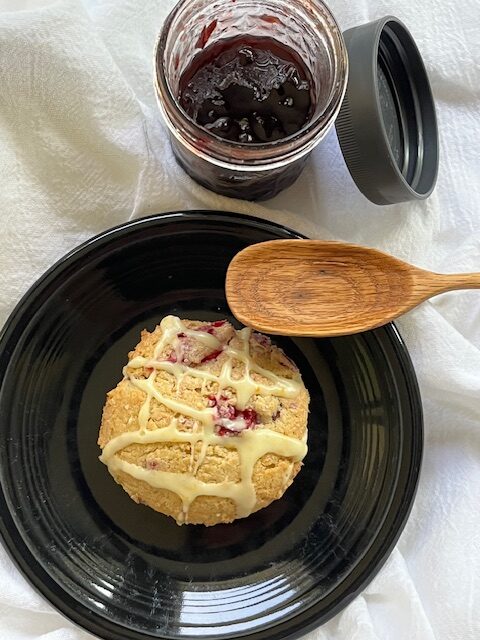
If there’s NO yeast or sourdough in your recipe, you’re in non-yeast territory. Instead, your recipe will likely rely on a leavening agent like baking powder or baking soda.
Wheat to Use: Soft wheat is your go-to for non-yeast baked goods.
Why? Because soft wheat is the hero in the pastry baking world. Soft wheat has less protein, which means less gluten. Less gluten equals tender, crumbly textures … exactly what you want for delicate pastries, fluffy cakes, and melt-in-your-mouth biscuits. Think of soft wheat as the chill friend who shows up with cookies and says, “Relax, I got this.”
On the flip side, too much gluten in non-yeast baking can make your pie crust tough or banana bread as dense as a brick. Nobody wants that.
Fun Baking Fact: Ever notice how recipes for biscuits, pie crusts, or similar treats have you mix flour/sugar with butter/eggs before adding liquid? That’s no accident. Fat is a natural gluten-blocker. It coats the flour and locks gluten in a “fat jail,” stopping it from developing. For non-yeast baked goods, that’s exactly what you want!

So, how does a loaf of pumpkin bread or chocolate cake rise?
It’s all thanks to baking powder or baking soda:
- Baking Soda: Needs an acid (like buttermilk, lemon juice, or vinegar) and liquid to activate.
- Baking Powder: The most common type sold is double-acting, it activates once when mixed with liquid and again when heated.
When these leavening agents react, they release carbon dioxide, creating tiny air bubbles throughout the batter. Add a little heat which steams the liquids, and voilà … your baked goods puff up beautifully.
Hard Wheat vs. Soft Wheat ... a recap
Here’s a quick cheat sheet:

How about a little more information about hard and soft wheats …
Hard wheat berries:
- Perfect for yeast baking (think bread, bagels, pizza, etc.).
- Have less moisture.
- Are grown in cooler, drier climates.
- Packed with protein, creating that strong gluten structure a yeast recipe needs.
Soft wheat berries:
- The MVP for non-yeast baking (delicate pastries, cakes, and cookies).
- Have more moisture.
- Have lower protein content.
- Gluten Structure? Weak – but that’s exactly what makes your pie crust flaky and your brownies melt-in-your-mouth perfect.
- Need a flaky pie crust? Soft wheat has got you. Whipping up pancakes? They’ll bring the syrup. It’s the wheat that whispers, “You’re doing great, sweetie!
Spring Wheat vs. Winter Wheat
Let’s address a seemingly minor but fascinating detail about wheat: when it’s planted (well, not really … I will explain more in a minute). You might notice “winter” or “spring” on the label of your wheat berries (whether they are hard or soft) and wonder, “Why does the season matter?” Well, my fellow grain enthusiast, let’s dive in!
Spring Wheat
- Planted: In the spring.
- Harvested: In the fall.
- What it brings to the table: Spring wheat typically boasts a higher protein content, which means stronger gluten.
- Baking perks: If you bake with spring wheat, you’ll often get a good-looking loaf with a beautiful crumb, a lighter texture, and that bakery-worthy rise.
Winter Wheat
- Planted: In the fall.
- Harvested: In the summer.
- Why it’s called winter wheat: Unlike spring wheat, winter wheat takes a nap during the cold months, hibernating like a cozy bear. The name honors its hibernation period.
- What it brings to the table: Winter wheat is known for its richer flavor and, because it spends more time in the soil, often has a higher mineral content.
- Fun Fact: A whopping 75% of the wheat grown in America is winter wheat!
Honestly, I don’t lose sleep over whether my wheat had comes from a spring or winter harvest … it just doesn’t seem to make much of a difference to my baking.
White Wheat vs. Red Wheat
Now, let’s move on to a slightly more significant distinction: wheat color. While the terms “red” and “white” might sound like a nod to wine tasting, they’re actually all about flavor and personality.
White Wheat
- Flavor: Milder and more neutral, making it ideal for recipes where you want the grain to blend in rather than steal the show.
- Appearance: When baked, it looks lighter and brighter … perfect for elegant cakes, biscuits, and pie crusts.
- Personality: Don’t mistake mildness for meekness … white wheat packs a subtle yet delicious punch that elevates everything it touches.
Red Wheat
- Flavor: Bold, nutty, and earthy (not afraid to stand out).
- Appearance: Baked goods made with red wheat often have a darker hue, like they just got back from a beach vacation.
- Personality: Perfect for hearty, rustic bread or anyone ready to trade their Wonder Bread for something with more depth.
My Personal Modern Wheat Strategy
- For Soft Wheat: I exclusively use soft white wheat for non-yeast baked goods. Its mild flavor makes it a perfect canvas for vanilla cakes, flaky pie crusts, and buttery biscuits.
- For Hard Wheat: I love mixing it up! I often blend hard white and hard red wheat together to add a nutty richness that makes my yeast loaves absolutely sing.
So, whether you’re team spring or winter, red or white, there’s wheat for every occasion.
Ancient Grains
Ancient grains are so on trend right now. Want to sound like you’re in the know? Just drop “ancient grains” or “kamut wheat” into your next conversation. Instant cool points.
Now, you might be wondering, “What exactly qualifies as an ‘ancient grain’?” Well, there doesn’t seem to be a strict definition, but it’s generally agreed that a grain earns this title if it has remained largely unchanged for several centuries (maybe even thousands of years) … staying true to its original form. No funny business from science here, folks.
Facts About Ancient Grains:
- Nutrition Powerhouses: They’re more nutritious than modern wheat. Packed with more protein, fiber, antioxidants, and minerals than your average wheat.
- Gluten-Friendly: Many people with gluten sensitivities find they can tolerate ancient grains (such as kamut wheat) better than regular wheat.
- Lower in Starch & Gluten: This makes them easier to digest for some.
- Rich Flavors: Expect flavors that are complex, earthy, and deep.
- No Hybridization: These grains have avoided the hybridization trend, meaning they’ve stayed true to their ancient roots.
Meet the Ancient Grains

Einkorn: The OG Grain
(Primary Uses: non-yeast baked goods and pasta)
Einkorn is the grandparent of all wheat varieties. It’s the oldest cultivated wheat, dating back thousands of years (about 10,000 years old). Einkorn has a subtle sweetness and a golden hue that screams “pure and wholesome.”
But don’t let its ancient status fool you … Einkorn is still going strong. You will find people dedicated to making a 100% Einkorn loaf sandwich bread. This adventure will prove to be tricky and take much experimenting. Its gluten structure is weaker than modern wheat (hence, the tricky nature), but the weak gluten does make it easier for some people to digest. Think of Einkorn as the elder statesman of grains, sitting in a rocking chair, telling stories about the good old days when bread rose naturally and nobody needed a stand mixer.
Emmer (Farro): The Rustic Romantic
(Primary Uses: non-yeast baked goods; add to salads and soups; make into grain bowls or emmer berry salad; porridge or breakfast cereal; pasta)
Emmer, also known as Farro, is the ruggedly handsome grain that looks like it’s just returned from a hike in Italy. It is chewy, nutty, and perfect for salads (why yes … I mean soak and boil the berries whole … then throw in some veggies and dressing to make a delicious salad), soups, and biscuits (and yes, you grind them too) that pair well with a cozy sweater.
Emmer is often known as Farro. Actually, Farro is a trio of ancient grains: Einkorn (farro piccolo), Emmer (farro medio), and spelt (farro grande). But the cool kids tend to only call Emmer by its nickname, Farro.
Emmer’s claim to fame is its versatility. It’s as comfortable in a breakfast cereal as it is in a tortilla. If Emmer were a person, it’d be that friend who takes you camping, brews their own kombucha, and writes poetry on the side.
Spelt: The Indie Darling

(Primary Uses: non-yeast baked goods; porridge or breakfast cereal)
Spelt is the grain equivalent of that indie band you loved before they went mainstream. It’s technically an ancient grain, but it is hip, trendy, and beloved by Instagram influencers who hashtag – EatClean. Spelt has a mild, nutty flavor and works in everything from muffins to pancakes.
It happens to be one of the easiest ancient grains to use (it performs similarly to modern wheat), making it a favorite for those new to exploring alternatives to modern wheat. However, spelt can be a bit temperamental (as is the case with all ancient grains), because its gluten structure is lower than modern wheat. Don’t overmix, or you’ll end up with dough as dense as your high school math textbook. Spelt is the friend who’ll help you build your sourdough starter but will also judge you for using store-bought yeast.
Kamut (Khorasan): The Time Traveling Wheat

(Primary Uses: non-yeast baked goods; pasta; add to salads and soups; make into grain bowls or wheat berry salad; porridge or breakfast cereal)
Enter Kamut Wheat, the ancient grain that sounds like it was named by a sci-fi novelist. Kamut wheat’s full name is Khorasan, but it often goes by its cool nickname (Kamut wheat). With origins tracing back to ancient Egypt, this grain walks around with an aura of mystery and a hint of sandalwood.
Kamut wheat kernels are long, golden, and have a chewy texture that makes you feel like you’re eating something straight out of Cleopatra’s pantry. Its flavor is buttery and nutty, perfect for muffins, pancakes, and crepes. If Kamut wheat were a person, it’d be the history professor who wears tweed and says things like, “Ah, modern wheat? A mere child.”
Rye: The Soulful Thinker

(Primary Uses: non-yeast baked goods; bread when mixed with hard wheat; add to salads and soups; porridge or breakfast cereal)
Rye (are you surprised this is an ancient grain?) is the philosopher of the grain world. Dark, earthy, and rich in flavor, it’s the wheat you turn to for depth. Rye’s lower gluten content makes it a bit trickier to work with, but its robust personality more than makes up for it. Think hearty rye bread, tangy sourdough, and crackers that mean business. Rye is perfect for feeding your sourdough starter … it’s packed with natural sugars creating a super happy fermentation.
If Rye were a person, it’d be the brooding poet who sits in a dimly lit coffee shop, sipping black coffee and writing sonnets about the complexities of life.
Barley: The Laid-Back Buddy

(Primary Uses: non-yeast baked goods; add to salads and soups)
Barley is the chill, easygoing grain that’s happy to go with the flow. Its chewy texture and slightly nutty flavor make it a versatile choice for soups, stews, and even salads (you eat the berry whole). Barley is also a darling to grind up and put in any non-yeast baked good. Barley has an inedible hull that is removed before using (stores sell this as pearled or hulled barley). Barley’s got your back when you need a warm, comforting food full of goodness.
If Barley were a person, it’d be that friend who shows up to your potluck with a delicious homemade casserole and stays to help clean up after.
Durum: The Pasta Prodigy

(Primary Uses: pasta, pizza, semolina)
Durum wheat is the overachiever of the grain world. With its high protein content and firm texture, it’s the ideal wheat for pasta, couscous, and semolina-based baked goods.
If Durum were a person, it’d be the culinary school graduate who can whip up a perfect fettuccine alfredo while lecturing on the science of al dente.
There is so much information to keep track of … if you’re ready to dive deeper into the grain game, grab my FREE spreadsheet with descriptions of the 11 most popular wheat varieties. Click here for yours.
And don’t forget those lovely FREE labels for your wheat storage containers! Click here.

Ancient Grains in YEAST Baked Goods
When I want to bring ancient grains into my yeast-based creations, I’ll substitute a portion of my hard wheat with an ancient grain (like kamut wheat). But I keep it at a safe level … no more than 25% … because while ancient grains can have a solid protein content, they don’t always build strong gluten. I like to keep at least 75% of my flour as hard wheat for that much-needed gluten structure.
Tips for Yeast Baking:
- Flour Adjustment: You may need to bump up the flour because ancient grains absorb liquid differently. Check out this article to help you figure out how much.
- Don’t Over-Knead: Ancient grains can get sticky and lose if overworked, so stop as soon as the dough feels smooth and elastic.
- Use the Sponge Method (a double fermentation process):
- Mix warm water, yeast (or sourdough), and half of the flour to make a thick batter. Let it ferment for a minimum of 10 minutes or even overnight. The extra fermentation time helps give the bread structure.
- Then, add the rest of the ingredients and the remaining flour. Knead only until the dough is smooth and elastic.
- Expect Denser Bread: Your loaf won’t rise as high as usual, so don’t be surprised if it only puffs up about 50% of the usual rise. Don’t let it double in size. If you let it proof too long, it will deflate in the oven.
- Eggs are Your Friend: Adding an egg can help improve the texture and moisture of bread made with ancient grains.
Ancient Grains in NON-YEAST Baked Goods
Ancient grains are fantastic in non-yeast baked goods. This is my preferred use for baking with ancient grains. Their naturally weaker gluten structure makes them behave similarly to soft wheat. In fact, you can sometimes substitute 100% of soft wheat with ancient grains.
Tips for Non-Yeast Baking:
- Spelt is a Star: Spelt is my favorite ancient grain for non-yeast baked goods. It performs very similarly to modern soft white flour, making it perfect for cookies, cakes, and more.
- Adjust for Liquid Absorption: You may need to add up to 25% more flour to account for the liquid absorption of ancient grains. This article will give you more information.
- No Need to Over-Knead: Thankfully, you don’t need to knead non-yeast baking anyway, right? Amen to that!
- Eggs Help Here Too: Adding an egg can improve texture, making your non-yeast baked goods more tender.
- Hydration: Don’t forget that fresh milled flour needs longer hydration times … at least 30 minutes but you can let them hydrate overnight. For example … to achieve a perfect cookie (one that does not flatten out like a pancake when it is cooked): scoop your cookie dough into individual balls, cover your baking sheet full of cookie balls, put them in the refrigerator overnight, and then cook them the next day.
Where to Buy Wheat Berries
So, you have your mill, you know you need wheat berries. Where do you find them … especially if the grocery store only sells mystery “whole wheat” flour in dusty bags?
Start Local First
Ideally, buy local. A nearby farm is absolute gold because you get the good feels of supporting small farmers and you don’t have to pay shipping fees. For example, if you’re in the Pittsburgh area, check out Frankferd Farms … they grow and source excellent wheat berries. Maybe you’re lucky enough to have a farm store near you. If so, that’s your jackpot.
Try Specialty Stores
If you don’t have a local farm connection, your next best bet is to check places like:
Amish general stores: they have been known to stock bulk bags of grains. Plus, who doesn’t want to walk out with a shoofly pie while you’re at it?
Health food stores: sometimes pricier, but can be a reliable source for hard white or soft white wheat berries.
Order Online for Convenience
And of course, we live in the golden age of ordering online. A few solid options:
Pleasant Hill Grains: they carry a wide variety of grains, have excellent quality, and with my affiliate link you can get free shipping on orders over $75.
Amazon: two-day shipping is a gift to us carb lovers. Bags show up on your porch, ready for your next round of fresh milled flour recipes. On my shopping page I have hand picked a variety of wheat berries for you to check out. (#ad)
Azure Standard: their prices are fantastic, and lots of people rave about them. Just know the pickup system is a little quirky, and not every product is always in stock. Think of it like joining a secret club where your “initiation” might involve waiting in a parking lot for a big blue semi-truck that you help unload. Some folks swear by it for the savings and quality, while others find it a bit … well, it’s not everyone’s cup of tea.
Wherever you buy, the key is quality. Fresh, clean (hopefully organic) wheat berries are the foundation of every single recipe you’ll make. And once you get a good supplier, you’ll feel like you’ve unlocked the secret stash that makes your bread, muffins, and pancakes taste better than anything from a store.
Summary
There is so much information to digest about grain varieties. Let’s summarize this to make it easier for us.
- Yeast Baked Goods: Use hard wheat (white or red) or up to 25% of ancient grains.
- Non-Yeast Baked Goods: Use soft wheat or ancient grain (may use up to 100% ancient grains).
- Spring Wheat vs. Winter Wheat: Doesn’t make much of a difference for most baking.
- White Wheat vs. Red Wheat: White wheat is more neutral in flavor, while red wheat has a nuttier taste.
- Ancient Grains: These can be easier on those with gluten intolerance, are more nutritious, and are a bit trickier to work with in baking.

Final Thoughts: Which Wheat is Right for You?
Choosing the right wheat is like picking a partner—it depends on your needs, goals, and whether you’re making bread or brownies. Hard White and Hard Red are the gym rats, Soft White and Soft Red are the sweethearts, and the ancient grains are the hipsters who remind you that everything new is just old stuff repackaged.
So next time you’re staring at flour … remember: that each wheat has a story, a personality, and a culinary destiny. Choose wisely, and may gluten (or a lack thereof) bless your baking adventures!
Freebies & Stuff:
Check out my Shopping Page for the links to the wheat that I usually buy.
So ya want to know which wheat berry to buy? I have your back. I am going to make this easy for you. In fact, I have a FREE Grain Variety Guide that describes the 11 most popular grains. Click here to get it.
Ready to get organized? You’ll need storage containers for all those glorious grains. And guess what? I’ve got another FREEBIE for you—beautiful grain labels to keep your pantry looking sharp. You need to know which bin is kamut wheat vs. hard red. Click here to snag them.
If you need to buy a GRAIN MILL … this post will help you pick the best one for YOU … with just 4 easy questions.
Is fresh milled flour actually healthier? Click here to find out.
You bought kamut wheat berries …now what? This post will help.
New mill? Start here. The first 5 recipes you should bake.
Want a general overview about fresh milled flour? I got ya! Click here.
Resources Used to Help Write this Blog:
- Becker, Sue. The Essential Home-Ground Flour Book: Learn Complete Milling and Baking Techniques, Includes 100 Delicious Recipes. Robert Rose Incorporated, 2016.
- Jullapat, Roxana. Mother Grains: Recipes for the Grain Revolution. WW Norton, 2021.
- https://jovialfoods.com/
- https://www.theprairiehomestead.com/
- https://grainsinsmallplaces.net/
- https://farmfreshwheat.com/
- https://eatwheat.org/
- https://dontwastethecrumbs.com/
- Some sentences or ideas may have come from chatgpt.




2 responses to “Wheat 101: Picking the Perfect Grain (kamut wheat, einkorn, etc.)”
I’ve been unsure about which wheat berries to buy and use. Your post broke it down so well. I grabbed your printable guide too. Very helpful. Thanks.
I’m so glad the guide was helpful! Enjoy choosing the perfect wheat berries … it makes a huge difference in your baking!